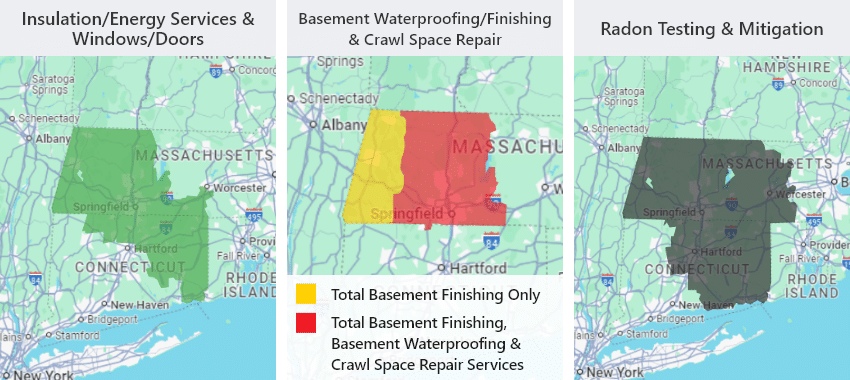
Proudly Serving Western Massachusetts, Northern Connecticut, and surrounding areas.
Fogarty's Home Services Before & After Photos
Click on a photo to enlarge.
Installing a New Window Well in Longmeadow, MA


This homeowner in Longmeadow, MA called us hoping that we would be able to help him with his home. It was having a consistent water problem that was not being helped by their current mitigation system. When our Home Comfort Specialist came out to the home, he noted that the biggest issue they were having with actual water in the home was because it was coming in through their open window wells. Open metal window wells let leaves and debris collect in them, blocking light to the basement. Rain gets in, and water from over flooding gutters cascades into the window wells. Weeds grow in the window wells since they have no bottom, and mud splashes up against the window glass. And let’s face it - they are ugly! Results - Constant maintenance, far less natural light to the basement, and they are ugly!
We had the perfect solution for this customer -- the SunHouse™ Basement Window Enclosure! The window enclosure is a bright color and has a bottom to reflect much more light into the basement. The bottom prevents weeds from growing and mud doesn’t splash against the windows. SunHouses™ have a sturdy matching clear cover to keep rain and leaves out, and it keeps the wind from blowing against the windows.
Insulating a Rim Joist in Longmeadow, MA


This homeowner in Longmeadow, MA called us hoping that we would be able to help him with water that was in his basement. When our Home Comfort Specialist came out to the home, he identified multiple things in addition to the water that the homeowner stated they wanted help fixing. One of these things was the fact that the basement did not have any insulation in it.
We had the perfect solution for this customer. In this solution, we spray foam the rim joist in the basement in order to seal and insulate it. The "rim joist" is the perimeter of the floor framing system along the exterior of the home. Two part expanding spray foam is installed on the rim joist and over the sill plate to seal all air leaks from the outside and insulate this important area of the home. Our spray foam has a high insulation value per inch of R7, and because it expands, it seals all cracks and gaps and joints where air from the outside enters the home. Results - warmer floors, less drafts, more comfortable rooms, the house is easier to heat and costs less to heat, less summertime condensation on cold basement surfaces.
Installing a Sump Pump in Longmeadow, MA
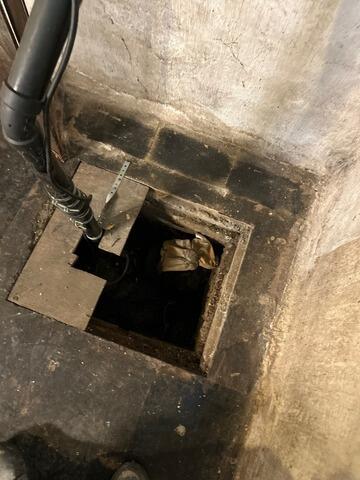
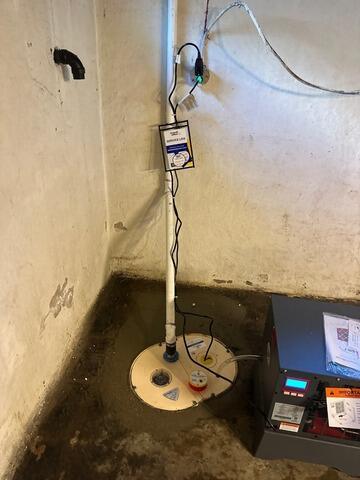
This homeowner in Longmeadow, MA called us saying that her basement had water in it, as well as mold and musty odors. She had a sump pump, but it was not working effectively.
In order to help this customer, we first had to remove the ineffective sump pump and the pipes that were attached to it. We then set to work replacing it. We replaced it with our TripleSafe™ sump pump. This sump pump features three pumps! The first pump is a 1/3 hp, cast iron Zoeller pump that can pump up to 2200 gallons per hour, 8 feet high. Should the first pump fail or not be able to keep up with the temporary heavy flow of water, a 1/2 hp AC back-up pump on a separate discharge line can pump 3900 gallons of water per hour. If the power fails, then a third, battery operated "UltraSump" pump automatically pumps up to 12,000 gallons of water out of the basement.
Now, this homeowner will have peace of mind that she has three pumps keeping her basement dry!
Reducing Humidity in a Basement in Longmeadow, MA
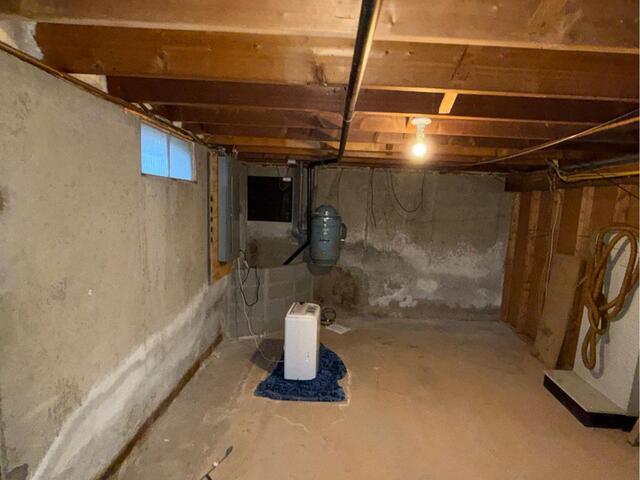
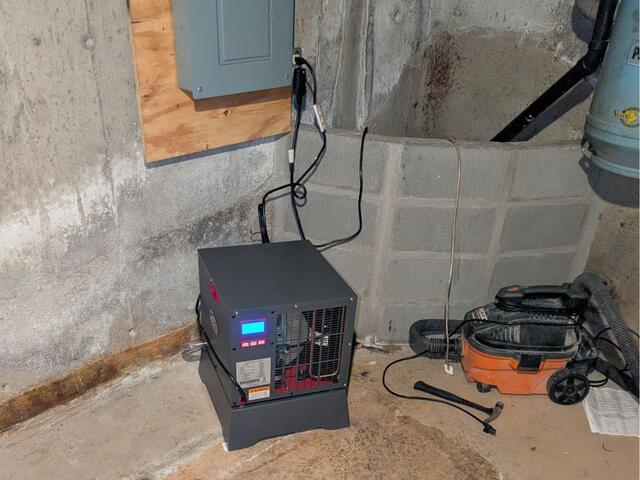
This homeowner in Longmeadow, MA stopped by our booth at a home show to talk about her basement. She and her husband wanted to eventually finish their basement. However, first, they had some humidity concerns that needed to be addressed first. High humidity causes many problems in a home such as mold (which grows at Relative Humidities [RH] above 75%), rot (which happens above 90% RH) odors, airborne mold spores that aggravate allergies and asthma, increased pests and insects such as termites, and higher air conditioning and heating costs. Result - cold floors above, condensation, mold, rot, odors, drafty, uncomfortable home, higher fuel and electric bills.
We had the perfect solution for this customer. The SaniDry™ Sedona air system is a powerful but energy efficient dehumidification and air filtration system in one unit. Able to remove an incredible 100 pints of water per day and using only 5.9 amps of electricity, the SaniDry™ Sedona drains automatically to a sump or the outside with a condensate pump. It has a powerful 310 cfm blower to circulate the dry air completely around to dry building materials and contents. Mold doesn’t have a chance! An automatic control is easy - set it to 55% RH and forget it - the SaniDry™ Sedona does the rest! And there’s no buckets to empty! Results - Low Relative Humidity, mold stops growing, odors are reduced, lower air conditioning cost, upstairs is dryer.
Replacing a Front Door in East Longmeadow, MA
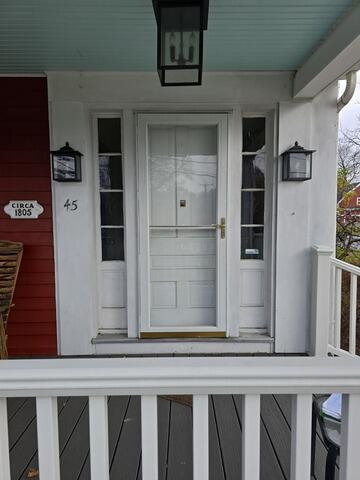
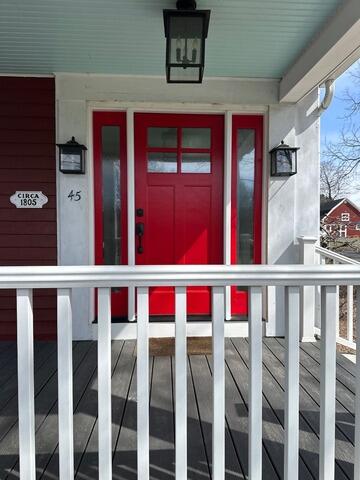
This homeowner in East Longmeadow, MA reached out to us regarding her crawl space and exterior doors. In particular, her front door was decades old and was falling apart. She was looking to replace it with a better door.
We had the perfect solution for this customer. In this solution, we installed a brand new exterior door. The proper framing is installed, followed by a new door and a lock. Now, this home looks better than ever!
our service area
We serve the following areas
- Adams
- Ashley Falls
- Becket
- Berkshire
- Blandford
- Cheshire
- Chester
- Cummington
- Dalton
- Drury
- East Otis
- Glendale
- Granville
- Great Barrington
- Hinsdale
- Housatonic
- Lanesborough
- Lee
- Lenox
- Lenox Dale
- Middlefield
- Mill River
- Monroe Bridge
- Monterey
- North Adams
- North Egremont
- Otis
- Pittsfield
- Plainfield
- Richmond
- Rowe
- Sandisfield
- Savoy
- Sheffield
- South Egremont
- South Lee
- Southfield
- Stockbridge
- Tyringham
- West Stockbridge
- Williamstown
- Windsor
- Worthington
- Barkhamsted
- Burlington
- Colebrook
- North Canton
- Riverton
- West Hartland
- Winsted